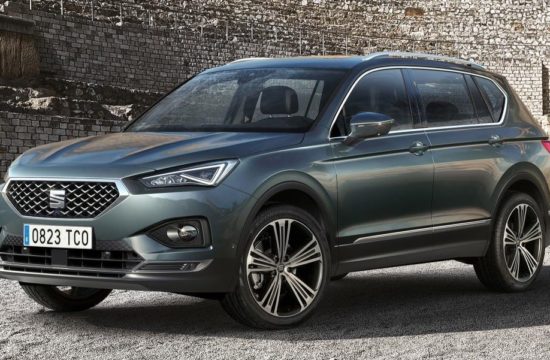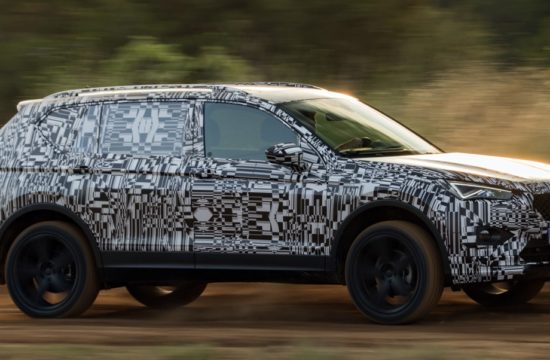
A Seat is not just for sitting down to take a load off your feet, it is actually the brand name of a compelling car brand. The SEAT automobile dates back to Spain in the mid-20th century and the acronym stands for “Sociedad Espanola de Automoviles de Turismo.”
The company was founded on the Port of Barcelona, an area where several Spanish automobile manufacturers started their businesses. It was not until 1950 that mass production of SEAT automobiles was made possible and this realization was primarily due to the partnership that was formed with Fiat, an Italian car manufacturer. Fiat had built a distinguished presence throughout Europe, and without the funding from Fiat (in addition to the executive leadership and workforce that was brought with as well), SEAT would not have been able to commence production.
The first SEAT model that was manufactured was known as the SEAT 1400. This model was completed around 1953, and some initially thought that it would pave the way for future success. However, that understanding did not prove to be the case at all. SEAT’s business model at the time relied heavily on importing parts from European suppliers, which unfortunately led to increased costs during the production process. Other external factors impacted the success of SEAT as well. For instance, the sluggish Spanish economy limited demand for the automobiles, which in turn hindered the sales of the company during its first few years. Executives at the company realized that they needed to develop a more cost-effective and economically efficient method of assembling automobiles so that inflated costs were not passed on to consumers (through increased sales prices).
SEAT attempted to become independent of its suppliers, and it steadily found ways to decrease its overall costs. It was not until 1975 that the company self-manufactured and developed its first model, the SEAT 1200 Sport. Up until this point, SEAT used many of Fiat’s ideas and products. While some of the parts and accessories were developed independently, the SEAT 1200 Sport was the first model that was manufactured without the need of any external suppliers. The company was now becoming self-sustainable and executives were considering this realization when mapping out the long-term plan for the company.
Structural changes took place in the 1980’s that would inevitably change the future outlook of SEAT. The business was seeking to obtain capital from its primary shareholders, which included the Spanish government and Fiat. However, Fiat was not willing to provide any more stimulus to SEAT, as it was uncertain just how much longer the company wanted to maintain a business relationship. Eventually, the dispute led to the end of the partnership between the two entities in 1982 and caused SEAT to change its logo, hire new employees, and change its overall operational structure.
The Volkswagen Group became the next major shareholder of SEAT when it purchased a majority stake in the company in 1986. The goal at this point was to expand the business beyond Spain and many believe that this objective was achieved in 1996 when a SEAT automobile was manufactured in Portugal. During the late 1990s and early 2000s there was much instability with regard to the brand of the company, as was manifested in the numerous logo changes that took place between 1996 and 2002. Stability was finally achieved in the mid-2000s when SEAT became part of the Volkswagen Group’s Audi Brand Group. In addition, several support centers now exist today that emphasize consumer branding, post-sale support and customer relations. The business has an international presence today, with some of the most common models including the Mii, Ibiza, Leon, Altea, Altea XL, and the Exeo.